Your AC Stopped Working in a Heat Wave: A Step-by-Step Guide to Getting Through the Next 72 Hours
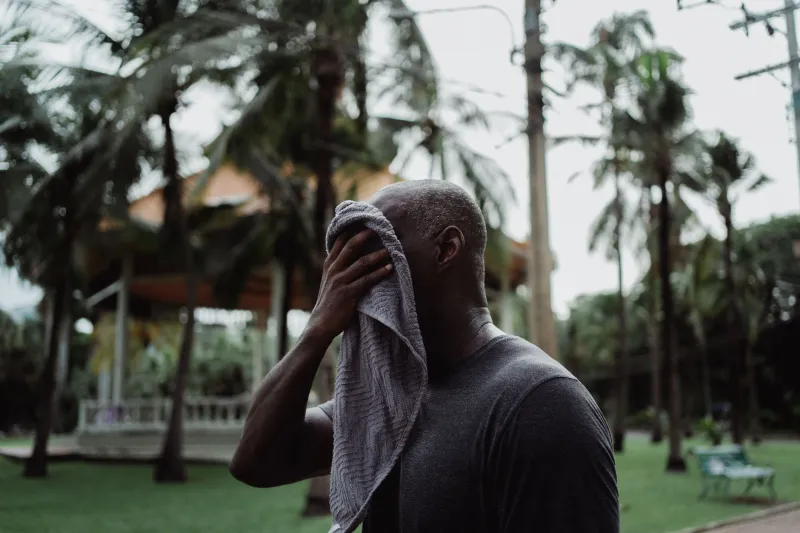
It happens without warning. The hum of your air conditioner goes quiet, the house begins to warm, and you check the thermostat to confirm what you already suspect: your cooling system has stopped working. Outside, the temperature is pushing 98 degrees. This is not a scenario that allows for a relaxed, wait-and-see response.
AC failures during heat waves are among the most common emergency calls received by HVAC service companies across the United States each summer. They are stressful, potentially dangerous, and — with the right information — manageable. Here is what to do.
The First Hour: Assess Before You Panic
Your first instinct may be to call for emergency service immediately, and in many cases that is the right call. But before you pick up the phone, spend a few minutes on basic diagnostics. Some AC failures have simple causes that you can resolve yourself.
Check the thermostat. Confirm that it is set to cooling mode and that the target temperature is lower than the current indoor temperature. Verify that it has power — replace batteries if applicable.
Inspect the circuit breaker. Air conditioners draw significant power and can trip breakers, particularly during peak demand. Locate your electrical panel and check whether the breaker for your AC unit has tripped. If it has, reset it once. If it trips again immediately, do not attempt a second reset — this indicates an electrical issue that requires professional attention.
Check the air filter. A severely clogged filter can cause the evaporator coil to freeze, which shuts the system down as a protective measure. If your filter is visibly blocked with dust and debris, replace it and allow the coil to thaw for one to two hours before restarting the system.
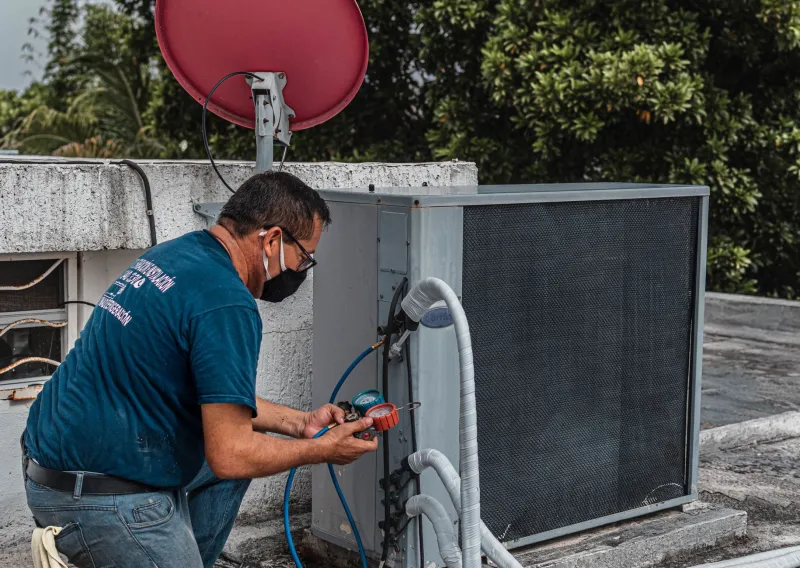
Examine the outdoor unit. Look for obvious signs of damage, debris accumulation, or ice formation on the refrigerant lines. If the outdoor unit is completely silent and unresponsive, the issue likely requires a technician.
If none of these steps restore operation, it is time to make the call.
Calling for Service: What to Expect and How to Prioritize
During a regional heat wave, HVAC service companies receive a substantial surge in calls. Wait times for non-emergency appointments can stretch to several days. Understanding how to communicate the urgency of your situation — and how to choose the right service provider — can meaningfully shorten your wait.
When you contact an HVAC company, be specific. Describe the symptoms clearly: when the system stopped, any unusual sounds or smells that preceded the failure, and the current indoor temperature. If you have elderly residents, young children, or individuals with medical conditions in the home, communicate this clearly — most reputable companies prioritize these situations.
Ask directly whether the company offers emergency or after-hours service and what the associated fees are. Emergency service rates are typically higher than standard rates, but in extreme heat, the cost is often justified. Confirm that the technician dispatched has experience with your specific system type and brand.
At AC Service Pro, emergency response is a core part of our service commitment. We understand that a cooling failure in July is not a routine inconvenience — it is an urgent situation that demands a prompt, professional response.
Managing Indoor Temperatures While You Wait
While you await professional service, your immediate priority is maintaining a safe indoor environment. Indoor temperatures above 90 degrees Fahrenheit pose genuine health risks, particularly for older adults, young children, and individuals with cardiovascular or respiratory conditions.
Close blinds and curtains. Direct sunlight through windows significantly accelerates indoor temperature rise. Keep window coverings closed, especially on south- and west-facing windows during afternoon hours.
Minimize heat-generating activity. Avoid using ovens, stovetops, clothes dryers, and dishwashers until cooler evening hours. Each of these appliances adds meaningful heat to the indoor environment.
Deploy fans strategically. Ceiling fans and portable fans do not lower air temperature, but they create a wind-chill effect that makes elevated temperatures more tolerable. At night, when outdoor temperatures drop, place a box fan in a window facing outward on the downwind side of your home and open windows on the upwind side to draw cooler air through.
Identify cooler areas of the home. Lower floors and interior rooms away from direct sun typically stay cooler. Concentrate activity in these areas during the hottest parts of the day.
Use a portable or window AC unit. If you have access to a portable or window-mounted air conditioner, deploy it in the room where occupants will spend the most time. This creates a manageable cool zone while the central system is out of service.
Know when to leave. If indoor temperatures exceed 90 degrees and vulnerable individuals are present, consider relocating temporarily. Public libraries, shopping malls, movie theaters, and community cooling centers — which many US municipalities open during heat emergencies — provide free, air-conditioned environments. Many hotels also offer reduced rates during declared heat emergencies.
Hydration and Health Monitoring
Heat-related illness is a genuine risk during extended indoor exposure to high temperatures. The Centers for Disease Control and Prevention (CDC) identifies heat exhaustion and heat stroke as serious conditions that can escalate rapidly.
Drink water consistently throughout the day, even if you do not feel thirsty. Avoid alcohol and caffeinated beverages, which accelerate dehydration. Wear lightweight, light-colored clothing. Take cool showers or apply cool, damp cloths to pulse points — wrists, neck, and temples — to lower body temperature.
Watch for warning signs of heat exhaustion: heavy sweating, weakness, cool or pale skin, a fast or weak pulse, nausea, or fainting. If symptoms progress to hot, red, dry skin, a rapid and strong pulse, or confusion, call 911 immediately — these are signs of heat stroke, which is a medical emergency.
After the Repair: Preventing the Next Failure
Once your system is restored, use the experience as motivation to invest in prevention. The overwhelming majority of mid-season AC failures are preceded by warning signs that go unaddressed: declining cooling performance, unusual sounds, increased energy consumption, or a system that runs continuously without reaching the set temperature.
Scheduling a professional maintenance visit before peak season — ideally in April or May — allows technicians to identify and correct developing issues before they become failures. Annual service agreements with a trusted provider ensure that your system receives consistent attention and that you have a direct line to emergency support when you need it most.
AC Service Pro offers comprehensive maintenance plans designed to keep residential and commercial systems operating reliably through the full heat of summer. If your system has recently experienced a breakdown, or if you simply want to ensure you are never in this position again, we are ready to help.
Do not wait for the next heat wave to find out whether your system is ready. Contact AC Service Pro today.