Commercial vs. Residential AC Systems: 5 Key Differences Every Business Owner Needs to Understand
If you manage or own a commercial property — whether it is a retail storefront, a medical office, a restaurant, or a multi-suite professional building — you may have inherited assumptions about air conditioning from your experience as a homeowner. Those assumptions can be costly. Commercial HVAC systems are not simply larger versions of residential units. They are engineered differently, maintained differently, and they fail in different ways.
For business owners making decisions about service contracts, equipment upgrades, or emergency repairs, understanding these distinctions is not just useful — it is essential.
1. System Design and Configuration
Residential air conditioning systems are almost universally split systems: an indoor air handler paired with an outdoor condenser unit. They are designed to condition a single, relatively consistent space with straightforward ductwork.
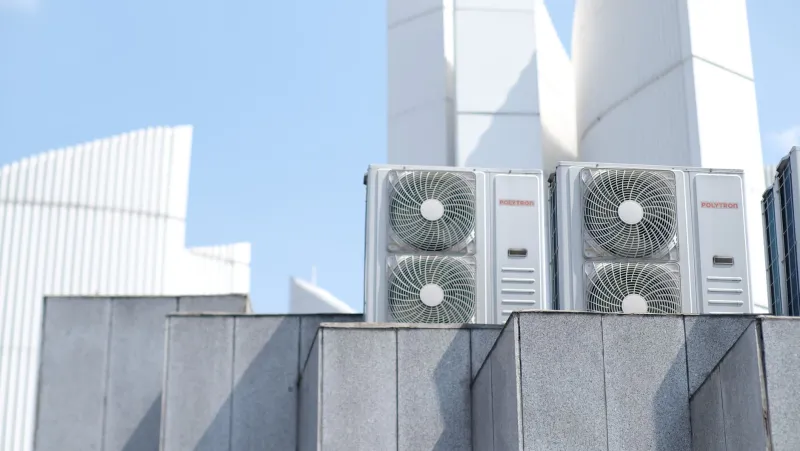
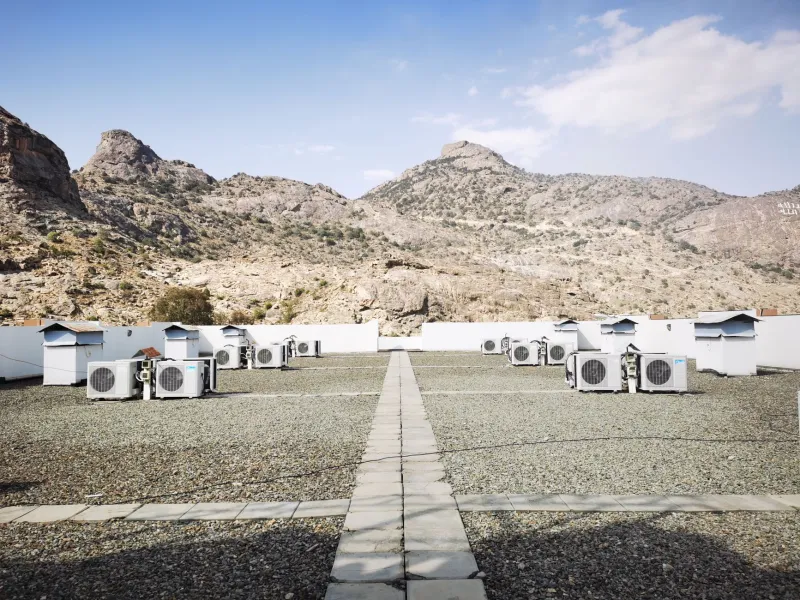
Commercial systems, by contrast, come in a much wider range of configurations. Rooftop packaged units are among the most common in commercial settings, housing all major components — compressor, condenser, and evaporator — in a single cabinet installed on the building's roof. Variable refrigerant flow (VRF) systems, chilled water systems, and commercial split systems are also widely used depending on the size and function of the building.
This variety means that diagnosing and servicing commercial equipment requires specialized training and tools. A technician experienced exclusively in residential work may not be equipped to handle a rooftop unit or a multi-zone VRF system. When selecting a service provider for your business, confirming commercial HVAC expertise is a non-negotiable step.
2. Cooling Load and Operational Demands
A residential system is typically sized to manage a predictable load: the occupancy of a household, standard appliances, and a relatively stable daily schedule. Commercial buildings introduce a far more complex set of variables.
Consider a restaurant kitchen, where commercial cooking equipment generates intense heat throughout service hours. Or a medical office with server infrastructure, high patient volume, and strict temperature requirements. Or a retail store with large glass storefronts, frequent door openings, and variable foot traffic throughout the day.
Commercial systems must accommodate these fluctuating and often extreme loads. They are typically designed with additional capacity and, in many cases, redundancy — meaning backup components or parallel systems that can maintain operation if one element fails. Residential systems have no such safety net.
The practical implication for business owners is straightforward: your system runs harder, longer, and under more variable conditions than a home unit. This translates directly into more frequent maintenance requirements and a shorter average service interval between inspections.
3. Zoning Complexity and Indoor Air Quality Standards
Most homes have a single thermostat controlling one or two zones. Commercial buildings often require sophisticated multi-zone configurations, allowing different areas to be maintained at different temperatures simultaneously. A server room may need to be kept at 68 degrees while a reception area is comfortable at 72 and a break room cycles less frequently during off-hours.
Managing this complexity requires not only advanced equipment but also careful commissioning — the process of calibrating and testing each zone to ensure it performs as intended. Improperly balanced commercial systems are a common source of comfort complaints, uneven temperatures, and energy waste.
Commercial buildings are also subject to specific indoor air quality (IAQ) regulations, particularly in healthcare, food service, and educational settings. Ventilation rates, filtration standards, and humidity control requirements are often governed by ASHRAE guidelines and local building codes. Failure to maintain compliance can result in regulatory penalties and, more seriously, health risks for building occupants.
4. Maintenance Frequency and Service Contracts
For most homeowners, an annual HVAC tune-up — supplemented by periodic filter changes — is considered adequate preventive maintenance. Commercial systems require a more rigorous schedule.
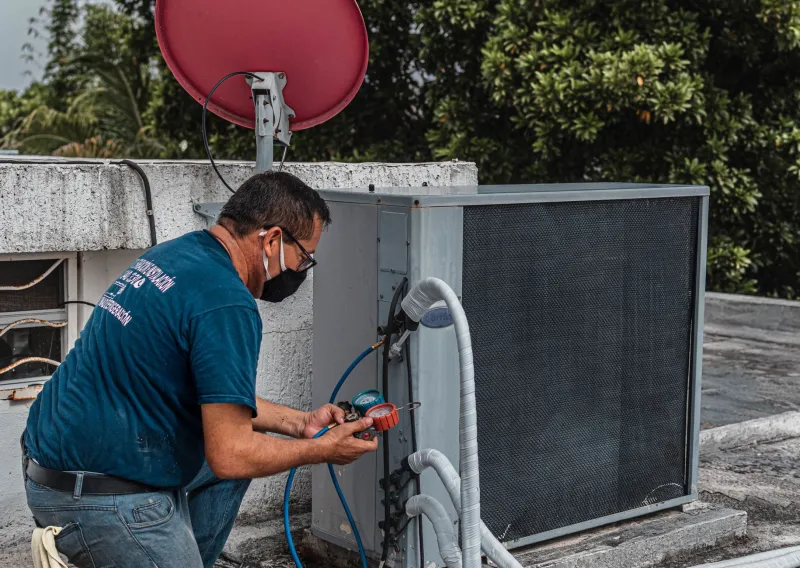
Depending on the system type and the nature of the business, commercial HVAC maintenance may be recommended quarterly or even monthly for certain components. Filters in high-traffic commercial environments accumulate contaminants far more quickly than residential filters. Coils, drain pans, and condensate lines in commercial systems are exposed to greater volumes of air and moisture, increasing the risk of biological growth and mechanical fouling.
For this reason, most commercial property owners and managers enter into formal service agreements with HVAC providers. A well-structured commercial service contract should include scheduled preventive maintenance visits, priority response for emergency repairs, documentation of all service activity, and coverage for labor and commonly replaced components. These contracts are not merely a convenience — they are a risk management tool that protects against unexpected downtime and the revenue loss that accompanies it.
5. Repair Costs, Equipment Lifespan, and Replacement Decisions
The financial calculus around commercial HVAC repair and replacement differs substantially from the residential context. A homeowner weighing whether to repair or replace a failing unit is generally working with a cost range of a few hundred to a few thousand dollars. Commercial equipment decisions can involve tens of thousands of dollars and significant operational disruption.
Commercial systems also have different expected lifespans depending on configuration and maintenance history. A well-maintained rooftop unit may remain serviceable for 15 to 20 years, while a neglected system in a high-demand environment may require replacement in 10 years or fewer. The depreciation and capital planning implications of these decisions are meaningful for any business operating on a defined budget cycle.
When evaluating repair versus replacement for a commercial unit, business owners should consider not only the immediate cost of the repair but also the system's efficiency rating, its remaining useful life, the availability of replacement parts, and the frequency of recent service calls. A pattern of recurring failures is often a more reliable indicator of replacement need than any single breakdown event.
Partnering with a Provider Who Understands Both Markets
At AC Service Pro, we serve both residential and commercial customers across our service area. Our commercial clients benefit from technicians who understand the unique demands of business environments — from the urgency of maintaining a comfortable retail space during peak shopping hours to the regulatory requirements of healthcare and food service facilities.
If you are a business owner who has been relying on a residential service provider for your commercial equipment, or if you have simply been operating without a formal maintenance plan, we encourage you to reach out. A single consultation can clarify your system's current condition, identify gaps in your maintenance approach, and help you build a service strategy that protects your business year-round.
Contact AC Service Pro to schedule a commercial system assessment.